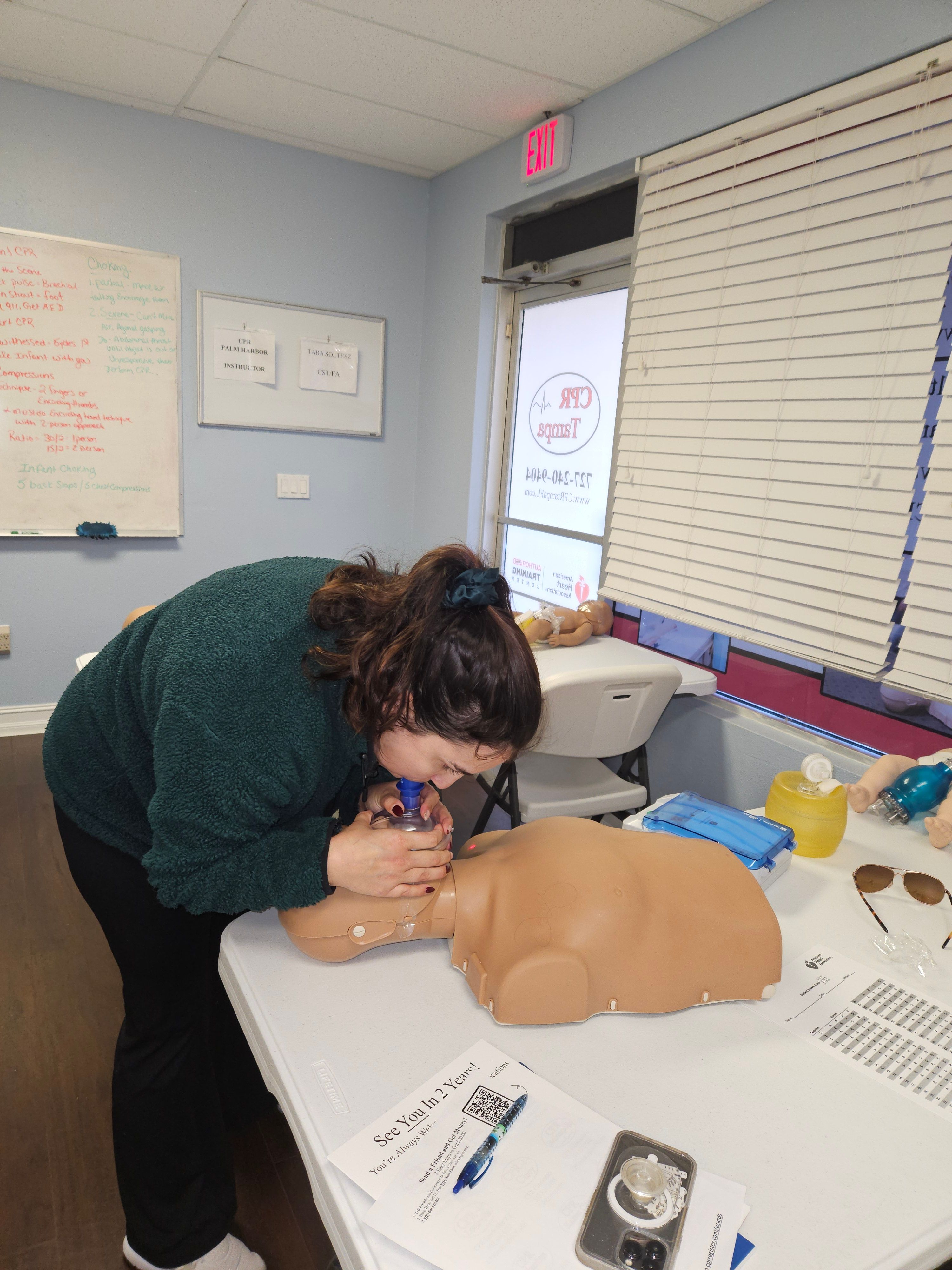
Wednesday, April 17, 2024

Safety First: Creating a Child-Friendly First Aid Kit for Louisville Parents

As parents, ensuring the safety and well-being of our children is always a top priority. From scraped knees to sudden illnesses, being prepared for medical emergencies is essential, especially in a vibrant city like Louisville, where outdoor adventures and active lifestyles are commonplace. In this article, we'll explore the importance of having a child-friendly first aid kit specifically tailored to the needs of Louisville families.


Understanding the Needs of Louisville Parents:

Louisville offers a rich tapestry of experiences for families, from exploring the vast green spaces of Cherokee Park to cheering on the Louisville Cardinals at a basketball game. However, with these adventures come unique challenges that parents must be ready to face. Whether it's a minor injury from a tumble on the playground or a bee sting during a hike in the Bernheim Arboretum and Research Forest, having the right supplies on hand can make all the difference.

Essential Supplies for a Child-Friendly First Aid Kit:

Let's start by discussing the core items that should be included in every child-friendly first aid kit. These essentials form the foundation of your preparedness and can help you handle a wide range of minor injuries and ailments that children commonly experience.

  1. Bandages: Stock up on an assortment of adhesive bandages in various sizes and shapes to cover cuts, scrapes, and blisters. Fun, colorful bandages featuring favorite characters can help comfort little ones during times of distress.

  2. Antiseptic Wipes or Spray: Cleanse wounds thoroughly with antiseptic wipes or spray to prevent infection. Look for products that are gentle yet effective, and suitable for children's delicate skin.

  3. Tweezers: A pair of fine-tipped tweezers is invaluable for removing splinters, ticks, or debris from cuts and scrapes. Opt for tweezers with a non-slip grip for precise handling.

  4. Thermometer: Fever is a common symptom of childhood illnesses, so having a reliable thermometer on hand is essential for monitoring your child's temperature. Digital thermometers are quick, accurate, and easy to use.

  5. Children's Pain Relievers: Include age-appropriate pain relievers such as acetaminophen or ibuprofen in your first aid kit to alleviate discomfort from minor injuries or illnesses. Be sure to follow dosing guidelines based on your child's age and weight.

By ensuring your first aid kit is stocked with these essential supplies, you'll be well-equipped to handle the bumps, bruises, and boo-boos that come with parenting in Louisville. 

Louisville-Specific Considerations:

While the essentials of a first aid kit remain consistent, customizing your kit to suit the specific needs of Louisville living can enhance its effectiveness. Here are some factors to consider when assembling your child-friendly first-aid kit for our city:

  1. Allergies and Environmental Factors: Louisville's diverse flora and fauna can pose allergy risks for children, particularly during outdoor activities. Be aware of common allergens in the area, such as pollen from ragweed or bites from mosquitoes and ticks. Include antihistamines and insect sting relief products to address allergic reactions promptly.

  2. Weather Conditions: Louisville experiences a range of weather conditions throughout the year, from hot and humid summers to cold and snowy winters. Pack items like sunscreen, lip balm with SPF protection, and cold packs to address weather-related concerns. Additionally, consider including hand warmers and blankets for colder months.

  3. Recreational Activities: Louisville offers numerous opportunities for outdoor recreation, including hiking, biking, and water sports. Tailor your first aid kit to accommodate the activities your family enjoys, such as including blister cushions for hiking enthusiasts or waterproof bandages for swimmers and kayakers.

  4. Sports Injuries: With its rich sports culture, Louisville is home to many young athletes involved in various sports leagues and activities. Keep items like athletic tape, instant cold packs, and compression wraps on hand to address sprains, strains, and other sports-related injuries that may occur.

  5. Food and Water Safety: Whether you're picnicking in Cherokee Park or enjoying a barbecue at Waterfront Park, it's important to prioritize food and water safety to prevent foodborne illnesses. Pack hand sanitizer, disinfectant wipes, and adhesive bandages for minor cuts to maintain hygiene during outdoor dining experiences.

By taking these Louisville-specific factors into account when assembling your child-friendly first aid kit, you'll be better prepared to handle any medical emergencies that may arise while exploring our vibrant city. 

Organization and Accessibility:

Having a well-organized and easily accessible first aid kit can make all the difference during an emergency. Here are some tips for keeping your child-friendly first-aid kit organized and ready for use:

  1. Choose a Suitable Container: Select a durable and portable container to store your first aid supplies. Consider using a clear plastic box or a designated first aid bag with compartments to keep items organized and easily visible.

  2. Label and Arrange Supplies: Label each section of your first aid kit to indicate the contents and purpose of each item. Arrange supplies in a logical order, with frequently used items placed at the top for easy access. Consider grouping items by category (e.g., wound care, medications) to streamline navigation.

  3. Regularly Check and Restock: Set a schedule to inspect your first aid kit regularly, ideally every few months, to ensure that supplies are up-to-date and replenished as needed. Replace expired medications, damaged bandages, or any other items that show signs of wear or deterioration.

  4. Include Emergency Contact Information: Keep a list of important emergency contacts, including pediatricians, poison control centers, and local emergency services, inside your first aid kit. Ensure that this information is easily accessible in case of an emergency.

  5. Store in a Central Location: Keep your child-friendly first aid kit in a central location that is easily accessible to both adults and children. Avoid storing it in areas prone to extreme temperatures or moisture, as these conditions can degrade the quality of the supplies.

By maintaining a well-organized and accessible first aid kit, you'll be better equipped to respond quickly and effectively to medical emergencies involving your children.

Educating Children About First Aid:

Empowering children with basic first-aid knowledge and skills not only enhances their safety but also instills confidence in their ability to respond to emergencies. Here are some age-appropriate ways to educate children about first aid and safety practices:

  1. Teach Simple First Aid Techniques: Start by teaching children basic first aid techniques, such as how to clean and bandage a small cut or scrape. Use age-appropriate language and demonstrations to ensure understanding.

  2. Role-Playing Scenarios: Engage children in role-playing scenarios to help them practice what to do in different emergencies. For example, simulate a pretend injury and guide them through the steps of providing assistance and seeking help.

  3. Introduce First Aid Tools: Familiarize children with the various tools and supplies in the first aid kit, explaining their uses and how to use them safely. Encourage hands-on exploration under adult supervision to build familiarity and confidence.

  4. Promote Safety Awareness: Emphasize the importance of safety habits and preventive measures to reduce the risk of accidents and injuries. Teach children to look both ways before crossing the street, wear helmets when biking, and avoid touching hot surfaces.

  5. Create a Safety Plan: Develop a family safety plan that outlines emergency procedures and designated meeting points in case of evacuation or separation. Review the plan regularly with children and ensure they understand their roles and responsibilities.

By involving children in learning about first aid and safety practices, you empower them to take an active role in their well-being and that of others.

Training and Certification:

While having a well-equipped first aid kit is essential, obtaining formal training in first aid and CPR can further enhance your preparedness and confidence in handling medical emergencies. Consider the following benefits of pursuing first aid training and certification as a parent in Louisville:

  1. Increased Preparedness: First aid training equips you with the knowledge and skills needed to assess and respond to a wide range of medical emergencies, from minor injuries to life-threatening situations. By knowing how to administer basic first aid and CPR, you can provide immediate assistance while waiting for professional help to arrive.

  2. Confidence in Emergency Situations: Knowing what to do during a medical emergency can help alleviate fear and panic, allowing you to remain calm and focused on assisting. First aid training instills confidence in your ability to take action and make a difference in potentially life-saving situations.

  3. Ability to Safeguard Your Family: As a parent, your primary concern is the safety and well-being of your children. By obtaining first aid training and certification, you gain the skills necessary to effectively respond to injuries and illnesses that may affect your family members. This proactive approach can help minimize the severity of injuries and improve outcomes.

  4. Community Contribution: In addition to benefiting your own family, first aid training enables you to contribute to the safety and welfare of your community. You may be called upon to assist neighbors, friends, or strangers in need, particularly in situations where professional medical help is not immediately available.

  5. Professional Development: First aid certification can also enhance your professional credentials and marketability, particularly if you work in fields such as childcare, education, or healthcare. Many employers value employees who are trained in first aid and CPR, as it demonstrates a commitment to safety and preparedness.

In Louisville, various organizations and training providers offer first aid and CPR courses tailored to the needs of parents and caregivers. By investing the time and effort to become certified, you not only gain valuable skills but also contribute to creating a safer and more resilient community for everyone.

Ready to take your preparedness to the next level? Enroll in CPR and First Aid courses at CPR Louisville today and become certified in life-saving skills. Whether you're a parent, caregiver, healthcare professional, or simply someone who wants to be ready to help in emergencies, our stress-free and hands-on classes will equip you with the knowledge and confidence you need.

At CPR Louisville, we offer a range of courses, including initial certifications and renewals in BLS for Healthcare Providers, ACLS, PALS, and CPR and First Aid. Our instructors are experienced professionals dedicated to providing the best training experience possible.

Don't wait until it's too late. Take action now to ensure you're prepared to respond effectively in medical emergencies. Plus, by enrolling in CPR Louisville courses, you'll also be supporting a local American Heart Association training site committed to promoting safety and well-being in our community.

Visit our website or contact us now to learn more and enroll in CPR certification Louisville and first aid courses at CPR Louisville. Your journey towards saving lives starts here.


Monday, March 11, 2024

Empower Your Medical Career: 5 Key Benefits of Advanced Cardiovascular Life Support Training


Introduction


In the fast-paced world of healthcare, where every second counts, being equipped with the skills to respond swiftly and effectively to emergencies can make all the difference. At CPR Louisville, we understand the critical importance of advanced cardiovascular life support (ACLS) training in empowering medical professionals to provide lifesaving care when it matters most.


As an American Heart Association training site, CPR Louisville offers comprehensive ACLS courses alongside initial certifications and renewals in Basic Life Support (BLS) for Healthcare Providers, Pediatric Advanced Life Support (PALS), and CPR and First Aid. Our commitment to providing stress-free, hands-on training ensures that healthcare providers receive the best CPR education in Louisville.


Enhanced Patient Care


One of the primary benefits of advanced cardiovascular life support (ACLS) training is the significant enhancement it brings to patient care. In medical emergencies such as cardiac arrest or severe arrhythmias, every second is crucial, and having the necessary skills to respond promptly and effectively can mean the difference between life and death.


ACLS training equips healthcare providers with advanced knowledge and techniques to assess and manage critical cardiovascular conditions. From administering medications to performing advanced airway management and defibrillation, ACLS certification empowers medical professionals to deliver timely interventions that can stabilize patients and improve outcomes.


Imagine a scenario where a patient suddenly goes into cardiac arrest. In such a high-pressure situation, ACLS-trained healthcare providers can spring into action with confidence, following standardized protocols and algorithms to initiate resuscitation efforts promptly. Through hands-on practice and simulation exercises, ACLS courses prepare medical professionals to navigate complex clinical scenarios with precision and composure.


Moreover, ACLS training emphasizes the importance of teamwork and effective communication in delivering coordinated care during emergencies. Healthcare providers learn to collaborate seamlessly with fellow team members, ensuring that every aspect of patient management—from rhythm interpretation to medication administration—is executed efficiently.


The impact of ACLS training on patient care is tangible and far-reaching. Studies have shown that hospitals with higher rates of ACLS-certified staff tend to have better patient outcomes in cardiac arrest cases. By investing in ACLS certification, healthcare professionals not only enhance their clinical skills but also contribute to elevating the standard of care within their healthcare organizations.

Expanded Career Opportunities


Beyond its immediate benefits for patient care, ACLS certification also opens doors to a wealth of career opportunities and professional advancement in the medical field. In today's competitive healthcare landscape, employers place a premium on candidates who possess specialized skills and certifications, and ACLS certification is highly regarded across various healthcare settings.


Healthcare providers who undergo ACLS training distinguish themselves as competent professionals equipped to handle the complexities of cardiovascular emergencies. Whether working in hospitals, clinics, emergency medical services, or specialized care facilities, ACLS-certified individuals are in high demand for their expertise in managing critical cardiac conditions.


Moreover, ACLS certification enhances the marketability of healthcare professionals seeking career advancement or new opportunities. Employers recognize ACLS as a mark of proficiency and commitment to excellence in patient care, making ACLS-certified individuals stand out among their peers in job applications and promotions.


The demand for ACLS-trained healthcare professionals extends beyond clinical roles to include leadership and educational positions. Many healthcare institutions value ACLS instructors who can impart their knowledge and skills to colleagues or students. Becoming an ACLS instructor not only allows individuals to share their expertise but also provides a rewarding pathway for professional development and mentorship.


Furthermore, ACLS certification is often a prerequisite for specialized roles in critical care, cardiology, and emergency medicine. Whether pursuing a career as a cardiac nurse, emergency physician, or critical care paramedic, ACLS training lays the foundation for success by equipping healthcare professionals with the essential skills and confidence to excel in their chosen field.

Confidence and Competence


In the high-pressure environment of healthcare, confidence, and competence are essential attributes for delivering effective patient care, especially during critical cardiovascular emergencies. Advanced Cardiovascular Life Support (ACLS) training plays a pivotal role in instilling these qualities in healthcare providers, empowering them to navigate challenging situations with poise and proficiency.


One of the primary benefits of ACLS certification is the confidence it imbues in healthcare professionals to respond decisively to cardiac emergencies. Through rigorous training and hands-on practice, ACLS participants gain mastery over essential skills such as rhythm recognition, defibrillation, and medication administration. This proficiency breeds confidence, enabling healthcare providers to approach emergencies with a calm and composed demeanor.


Moreover, ACLS training emphasizes the importance of rapid decision-making and effective teamwork, further bolstering confidence in managing critical situations. Healthcare providers learn to trust their instincts and collaborate seamlessly with colleagues, knowing that they are well-prepared to handle any scenario that may arise.


Hands-on simulation exercises, a hallmark of ACLS courses, provide invaluable opportunities for healthcare providers to apply their skills in realistic scenarios. By practicing resuscitation techniques on high-fidelity manikins and participating in simulated code scenarios, ACLS participants gain firsthand experience in managing complex emergencies. This hands-on approach not only reinforces clinical knowledge but also builds the confidence to perform under pressure.


Furthermore, ACLS certification equips healthcare providers with the competence to adapt to evolving clinical situations and make informed decisions in real time. Whether administering life-saving medications or coordinating advanced cardiac life support interventions, ACLS-trained professionals demonstrate a level of competence that inspires trust and reassurance among patients and colleagues alike.


The confidence and competence instilled by ACLS training extend beyond individual healthcare providers to benefit the entire healthcare team and, ultimately, patient outcomes. In emergencies, confidence breeds calmness, and competence ensures effective action, resulting in timely interventions that can mean the difference between life and death.

Team Collaboration and Communication


Effective teamwork and communication are cornerstone principles in healthcare, especially during critical cardiovascular emergencies where every second counts. Advanced Cardiovascular Life Support (ACLS) training not only equips healthcare providers with the clinical skills to manage such emergencies but also emphasizes the importance of working collaboratively as a team.


One of the key benefits of ACLS certification is its focus on fostering cohesive teamwork among healthcare professionals. ACLS courses often incorporate team-based training exercises where participants learn to function as a cohesive unit in simulated emergency scenarios. Through these exercises, healthcare providers develop an understanding of their roles and responsibilities within the team, as well as the importance of clear communication and mutual support.


In a cardiac arrest situation, effective teamwork is essential for ensuring that resuscitation efforts are coordinated and executed efficiently. ACLS-trained healthcare providers learn to communicate clearly and concisely, providing vital information to team members while remaining focused on the task at hand. By establishing clear roles and responsibilities, healthcare teams can optimize their efficiency and maximize the chances of a successful outcome for the patient.


Moreover, ACLS training emphasizes the importance of closed-loop communication, where team members acknowledge and confirm critical information to ensure that it has been received and understood. This communication strategy helps to prevent errors and misunderstandings, particularly in high-stress environments where clarity is paramount.


Beyond the technical aspects of resuscitation, ACLS courses also emphasize the value of mutual respect and collaboration among healthcare providers. Participants learn to work collaboratively with colleagues from diverse backgrounds and specialties, recognizing the unique contributions that each team member brings to the table.


The emphasis on teamwork and communication in ACLS training extends beyond the emergency department to benefit healthcare teams across various clinical settings. Whether in the hospital, pre-hospital, or outpatient setting, effective teamwork is essential for delivering coordinated and patient-centered care.

Professional Development and Lifelong Learning


In the ever-evolving landscape of healthcare, staying abreast of the latest advancements and best practices is essential for providing high-quality patient care. Advanced Cardiovascular Life Support (ACLS) training not only equips healthcare providers with essential lifesaving skills but also fosters a commitment to lifelong learning and professional development.


One of the key benefits of ACLS certification is its emphasis on continuous education and skill refinement. ACLS courses are designed to not only teach foundational knowledge and skills but also to keep participants updated on the latest guidelines and evidence-based practices in cardiovascular resuscitation. As resuscitation science evolves, ACLS training ensures that healthcare providers remain current and proficient in their practice.


ACLS-certified healthcare providers have access to ongoing educational resources and opportunities for skill reinforcement. Whether through refresher courses, online modules, or participation in professional conferences and workshops, ACLS-trained professionals have numerous avenues for continuing education and skill enhancement.


Furthermore, ACLS certification serves as a catalyst for career advancement and specialization within the healthcare field. Healthcare providers who hold ACLS certification demonstrate a commitment to excellence in patient care and are often sought after for leadership roles and specialized positions in critical care, emergency medicine, and cardiology.


By investing in ACLS training, healthcare professionals position themselves as lifelong learners dedicated to their craft and committed to delivering the highest standard of care to their patients. The pursuit of ACLS certification is not merely a one-time achievement but rather a journey of ongoing learning and growth.


Moreover, ACLS certification provides healthcare providers with a sense of confidence and reassurance, knowing that they are equipped with the knowledge and skills to handle cardiovascular emergencies competently. This confidence translates into improved patient outcomes and enhanced job satisfaction, as healthcare providers feel empowered to make a difference in the lives of those they serve.


In conclusion, ACLS certification in Louisville through CPR Louisville is more than just a credential—it's a testament to a healthcare provider's dedication to professional excellence and lifelong learning. By investing in ACLS training, healthcare professionals not only enhance their clinical skills but also contribute to the advancement of patient care and the overall quality of healthcare delivery. With stress-free and hands-on classes offered by CPR Louisville, healthcare providers can embark on a journey of continuous education and skill refinement, positioning themselves as leaders in emergency cardiovascular care. Whether pursuing CPR certification, ACLS certification, or other lifesaving courses, CPR Louisville provides the best CPR training in Louisville, ensuring that healthcare professionals are well-equipped to respond to any cardiac emergency with confidence and competence.


Wednesday, February 28, 2024

Unlocking CPR Excellence: AHA First Aid vs AHA HeartSavers Compared

 In the critical moments following a sudden cardiac arrest or a life-threatening injury, the ability to perform Cardiopulmonary Resuscitation (CPR) can make the difference between life and death. CPR is a vital skill that empowers individuals to intervene during emergencies, providing immediate assistance until professional medical help arrives. At CPR Louisville, we understand the importance of equipping individuals with the knowledge and skills needed to respond effectively to such situations.


As an American Heart Association (AHA) training site, CPR Louisville is committed to delivering high-quality CPR training programs tailored to the needs of healthcare providers, professionals, and laypersons alike. Among our comprehensive offerings, two courses stand out: AHA First Aid and AHA HeartSavers. These courses are pillars in our mission to foster CPR excellence and empower individuals to become confident and capable first responders.


In this article, we will delve into the intricacies of AHA First Aid and AHA HeartSavers courses, unraveling their respective features, benefits, and suitability for different individuals. By understanding the nuances of these programs, readers will be better equipped to make informed decisions about their CPR training journey, ultimately unlocking excellence in their ability to respond to emergencies.

Understanding AHA First Aid


AHA First Aid is a foundational course designed to equip participants with essential knowledge and skills to provide immediate care to those in need. The curriculum encompasses a comprehensive range of topics, from assessing injuries to administering basic medical interventions. Participants learn how to respond confidently and effectively in various emergency scenarios, including cardiac arrest, choking, and traumatic injuries.


Throughout the AHA First Aid course, emphasis is placed on hands-on training, allowing participants to practice and refine their skills under the guidance of experienced instructors. By engaging in realistic scenarios and simulations, participants gain practical experience that enhances their confidence and competence in delivering first-aid interventions.


The AHA First Aid course is suitable for individuals from diverse backgrounds, including healthcare professionals, workplace responders, educators, parents, and community members. Whether you are a healthcare provider seeking to enhance your emergency response skills or a concerned citizen eager to make a difference in your community, the AHA First Aid course offers invaluable training that can save lives.

Exploring AHA HeartSavers


AHA HeartSavers is a comprehensive CPR and Automated External Defibrillator (AED) training program designed to empower individuals with the skills needed to respond confidently to cardiac emergencies. This course goes beyond basic first aid, focusing specifically on CPR techniques and AED usage, which are critical interventions in cases of sudden cardiac arrest.

The curriculum of AHA HeartSavers is structured to cover essential CPR techniques for adults, children, and infants, ensuring participants are equipped to respond effectively to a diverse range of emergency situations. Additionally, participants learn how to recognize the signs of cardiac arrest, initiate CPR promptly, and use an AED to deliver life-saving shocks when necessary.


Like AHA First Aid, AHA HeartSavers prioritizes hands-on training to reinforce theoretical knowledge with practical experience. Participants engage in interactive simulations and scenario-based learning exercises, enabling them to develop the confidence and proficiency needed to perform CPR and operate an AED in real-world settings.


AHA HeartSavers is suitable for a wide audience, including healthcare professionals, workplace responders, educators, fitness instructors, and members of the general public. Whether you work in a healthcare setting where CPR skills are essential or simply want to be prepared to respond to emergencies in your community, AHA HeartSavers provides invaluable training that can make a difference in saving lives.

Comparing AHA First Aid and AHA HeartSavers


Now that we've explored the individual features and benefits of AHA First Aid and AHA HeartSavers, let's dive into a comprehensive comparison between these two essential CPR training courses. Understanding the differences between AHA First Aid and AHA HeartSavers is crucial for individuals seeking to enroll in the program that best aligns with their needs, preferences, and objectives.


1. Course Duration and Scheduling Options


AHA First Aid courses typically range from several hours to a full day, depending on the depth of the curriculum and the specific training provider. These courses may be offered in a single session or divided into multiple sessions to accommodate participants' schedules.


In contrast, AHA HeartSavers courses tend to be more condensed, with training sessions typically lasting between two to four hours. This shorter duration makes AHA HeartSavers courses convenient for individuals with busy schedules or those seeking to complete their CPR training in a shorter time frame.


2. Certification Requirements and Validity Period


Both AHA First Aid and AHA HeartSavers courses culminate in certification upon completing the training program. However, the certification requirements and validity periods may vary between the two courses.


AHA First Aid certifications are typically valid for two years from the date of issuance. To maintain certification, participants must undergo periodic renewal training to maintain their current skills and knowledge.


Similarly, AHA HeartSavers certifications are also valid for two years, providing participants with the necessary credentials to respond to cardiac emergencies effectively. Renewal training is required to maintain certification and stay up-to-date with the latest CPR guidelines and best practices.


3. Hands-On Training vs. Online Components


Both AHA First Aid and AHA HeartSavers courses emphasize hands-on training to reinforce theoretical knowledge with practical skills. Participants have the opportunity to practice CPR techniques, first aid interventions, and AED usage under the guidance of experienced instructors.


In addition to hands-on training, some training providers may offer online components for AHA First Aid and AHA HeartSavers courses. These online modules may cover theoretical content, pre-course assessments, and interactive learning activities to enhance participants' understanding of CPR concepts.


4. Cost Considerations: Pricing Differences and Value for Money


The cost of AHA First Aid and AHA HeartSavers courses may vary depending on factors such as the training provider, course duration, and included materials. Generally, AHA HeartSavers courses may be more cost-effective due to their shorter duration and focused curriculum.


However, it's essential to consider the value provided by each course in terms of the quality of instruction, hands-on training opportunities, and certification validity. Investing in high-quality CPR training is an investment in preparedness and the ability to respond effectively to emergencies.


5. Instructor Qualifications and Teaching Methodologies


The expertise and qualifications of instructors play a crucial role in the effectiveness of CPR training programs. Both AHA First Aid and AHA HeartSavers courses are taught by certified instructors who undergo rigorous training and adhere to AHA guidelines.


When selecting a CPR training provider, consider the qualifications and experience of the instructors, as well as their teaching methodologies. Look for instructors who create engaging and interactive learning environments, fostering active participation and skill development among participants.


Choosing the Right CPR Course


Now that we've explored the differences between AHA First Aid and AHA HeartSavers courses, it's essential to consider how these distinctions align with your individual needs, objectives, and preferences. Choosing the right CPR course is a critical decision that can significantly impact your ability to respond effectively to emergencies and potentially save lives.


1. Assessing Individual Needs and Objectives


Start by assessing your specific needs and objectives for CPR training. Consider factors such as your professional role, workplace requirements, and personal interests in acquiring CPR skills. Are you a healthcare professional seeking advanced training in emergency response? Or are you a layperson looking to gain basic CPR skills for use in everyday life?


By understanding your unique circumstances and goals, you can better determine which CPR course—AHA First Aid or AHA HeartSavers—best meets your needs and aligns with your objectives.


2. Considerations for Healthcare Professionals vs. Laypersons


The choice between AHA First Aid and AHA HeartSavers may also depend on your professional background and responsibilities. Healthcare professionals, such as doctors, nurses, and paramedics, may require more advanced CPR training that includes additional medical interventions and protocols.


In contrast, laypersons, including educators, parents, and community members, may benefit from a more basic CPR course that focuses on fundamental skills and techniques. AHA HeartSavers courses are specifically tailored to meet the needs of laypersons, providing essential CPR and AED training in a concise format.


3. Tailoring CPR Training to Workplace Requirements


If you are seeking CPR training for workplace requirements or occupational purposes, it's essential to consider the specific CPR guidelines and standards applicable to your industry or profession. Certain industries, such as healthcare, education, and childcare, may have specific CPR training requirements mandated by regulatory bodies or accrediting organizations.


Ensure that the CPR course you choose—whether AHA First Aid or AHA HeartSavers—complies with the relevant workplace regulations and standards. Additionally, inquire about any additional certifications or endorsements that may be necessary to meet your employer's requirements.


4. Personal Preferences: Factors to Weigh When Selecting a Course


Finally, consider your personal preferences and comfort level when selecting a CPR course. Reflect on course duration, scheduling options, instructor qualifications, and teaching methodologies. Choose a CPR training provider that offers a learning environment that aligns with your preferences and supports your learning style.


Additionally, take into account any logistical considerations, such as the location of training facilities, availability of course dates, and accessibility of resources and materials. Opt for a CPR course that fits seamlessly into your schedule and provides the support and resources you need to succeed.


By carefully considering these factors and weighing the differences between AHA First Aid and AHA HeartSavers courses, you can make an informed decision about your CPR training journey. Whether you're seeking to enhance your professional skills, fulfill workplace requirements, or simply be prepared to respond to emergencies in your community, choosing the right CPR course is the first step toward unlocking excellence in your ability to save lives.

Conclusion


In conclusion, CPR training is not merely about attaining a certification; it's about acquiring a life-saving skill that empowers individuals to respond confidently and effectively to emergencies. Whether you opt for AHA First Aid or AHA HeartSavers, both courses offer invaluable training that can make a significant difference in critical situations.


Throughout this article, we have delved into the intricacies of AHA First Aid and AHA HeartSavers courses, comparing their features, benefits, and suitability for different individuals. From understanding the curriculum to considering certification requirements and personal preferences, we've provided insights to guide you in making an informed decision about your CPR training journey.


It's essential to recognize that CPR training is not a one-time event; it's an ongoing commitment to preparedness and readiness. By enrolling in AHA First Aid or AHA HeartSavers courses, you are taking the first step toward unlocking excellence in your ability to respond to emergencies and potentially save lives.


We urge you to take action today and enroll in the CPR certification Louisville course that best aligns with your needs, objectives, and preferences. Whether you're a healthcare professional, workplace responder, educator, parent, or concerned citizen, CPR training equips you with the skills and confidence needed to make a meaningful difference in emergencies.


At CPR Louisville, we are dedicated to providing top-notch CPR training programs that empower individuals to become confident and capable first responders. Our stress-free, hands-on courses are meticulously designed to equip you with the knowledge and skills necessary to respond effectively to emergencies and save lives.


Don't delay until it's too late—take the next step toward CPR excellence and enroll in AHA First Aid or AHA HeartSavers today. Together, let's make our communities safer and more prepared to respond to life-threatening emergencies. Unlock excellence in CPR and become a lifesaving hero in your own right.


Fixing Frequent BVM Application Errors in Emergencies: Common Errors and Fixes BVM

  Understanding BVM Application Errors in Critical Care Bag-valve-mask (BVM) ventilation is a lifesaving skill. However, healthcare provider...